
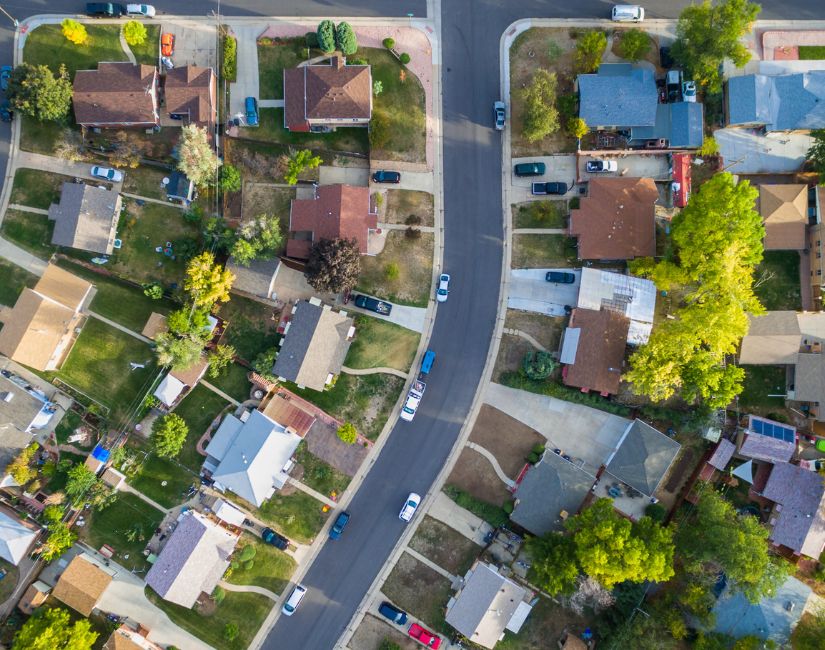
Speeding isn’t just a law enforcement problem; it’s a community safety issue. From residential streets to school zones, unsafe speeds put pedestrians, cyclists, and children at risk every day. Local police play a lead role in enforcement and traffic engineers make roads safer with design and technology. Civilians can also take meaningful steps to make their neighborhoods safer.
Petition Your Local City Council or Police Department
If speeding is a recurring concern on your street or near your local school, your first step should be to bring it to the attention of local leaders.
- Start a petition to show community concern and gather signatures from neighbors who share your worries.
- Present your petition to the city council, traffic safety committee, or police department, requesting additional enforcement or traffic studies.
- Be specific about the problem. Include timeframes, typical traffic patterns, and any near misses or accidents that have occurred.
- Connect on community social media platforms, such as Next Door and Facebook Groups, to provide individuals with a more direct way to communicate with other concerned citizens, as well as city officials.
When multiple residents speak up, municipalities are far more likely to prioritize targeted speed enforcement or infrastructure improvements.
Report Problem Areas Through Official Channels
Many cities now offer online reporting tools or dedicated hotlines for residents to report unsafe driving behavior. These reports help law enforcement identify speeding “hot spots” where violations are most frequent.
If your community doesn’t have a reporting system, you can still document concerns:
- Note the time of day, location, and direction of travel of speeding vehicles.
- Share observations with your local precinct or community liaison officer.
- Encourage neighbors to do the same to build a stronger data set.
Reliable data helps departments plan enforcement patrols and allocate limited resources more effectively.
Consider a Community Speed Awareness Initiative
Communities can go a step further by purchasing or fundraising for speed awareness equipment. These RADAR speed displays or RADAR speed trailers can slow traffic by reminding drivers of their actual speed while also collecting valuable traffic data.
When this information is shared with local police, it can justify targeted enforcement or even engineering changes like adding signage, stop signs, or traffic calming measures.
- Community speed awareness programs have been shown to:
- Strengthen partnerships between residents and law enforcement
- Reduce average vehicle speeds in problem areas
- Increase driver compliance with posted limits
Proven Tools for Safer Streets
Kustom Signals offers several speed awareness solutions designed to empower both agencies and communities. Systems such as the SMART Messaging Trailers, RADAR Trailers and Pole Mount RADAR Displays combine visibility, accuracy, and data collection. These portable tools can display driver speeds, gather traffic statistics, and provide actionable insights for safety planning.
- Police agencies can purchase and deploy these tools so that they can find problem areas and then deploy officers for speed enforcement.
- HOAs can purchase and use these tools to reduce speeding when their city police are unable to dedicate resources.
- Data collected from these tools can be used to petition the city or the city can use them to provide traffic data to assuage fears of their community members.
Working Together for Safer Neighborhoods
Reducing speeding requires cooperation between residents, city officials, and law enforcement. By documenting concerns, advocating for action, and supporting traffic data collection, civilians can play an essential role in keeping local roads safe.
If your community is exploring ways to reduce speeding and improve safety awareness, contact Kustom Signals to learn more about data-driven traffic solutions that support local enforcement and community safety goals.