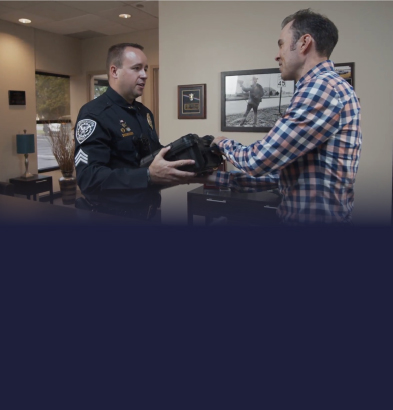

Building positive relationships is not an easy task, especially in the current climate. Law enforcement leaders should be looking for innovative strategies, and rely on technological tools such as social media, survey software, and of course body-worn cameras. Let’s look into three tried and tested options…

Several law enforcement agencies are now starting to believe that 5G can enhance officers’ work, so let’s look into some examples…

Over the last few months, opportunists have been trying to make money from the pandemic by either sending ´phishing´ emails, hacking or selling counterfeit goods.

Here’s how these three uses of AI have helped police departments to fight crime in cities across the world…
After January 31st, Google will start asking law enforcement to pay for access to suspected criminals’ data. What does this mean for the future?

Almost 11 million people are held in penal institutions throughout the world, of which nearly 20% (2.12 million people) were incarcerated in the US (followed by China with 1.65 million).

Driving under the influence is a serious problem around the world. In the United States, a person is killed every 48 minutes, taking away a total of more than 10,511 lives each year.
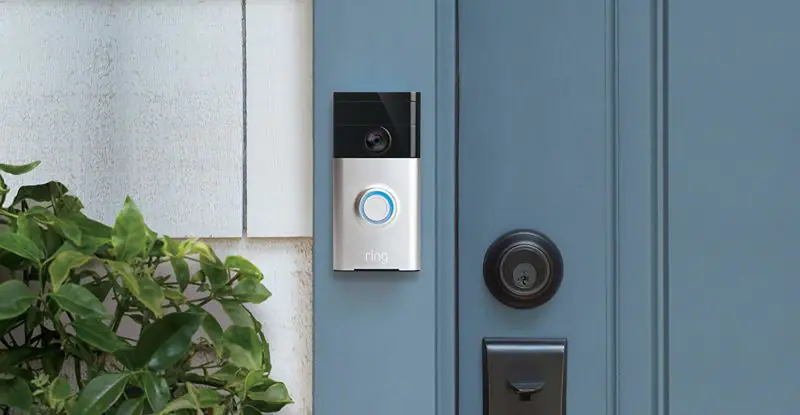
The home security and smart home company, Ring Inc., is changing the face of neighborhood policing. Just 4 months ago, it was reported that Amazon’s Ring doorbell has partnered with over 400 police forces across the United States.

If you’re responsible for purchasing within your law enforcement department, it’s pretty certain that the purchasing of body-worn cameras will be one of your most important decisions…
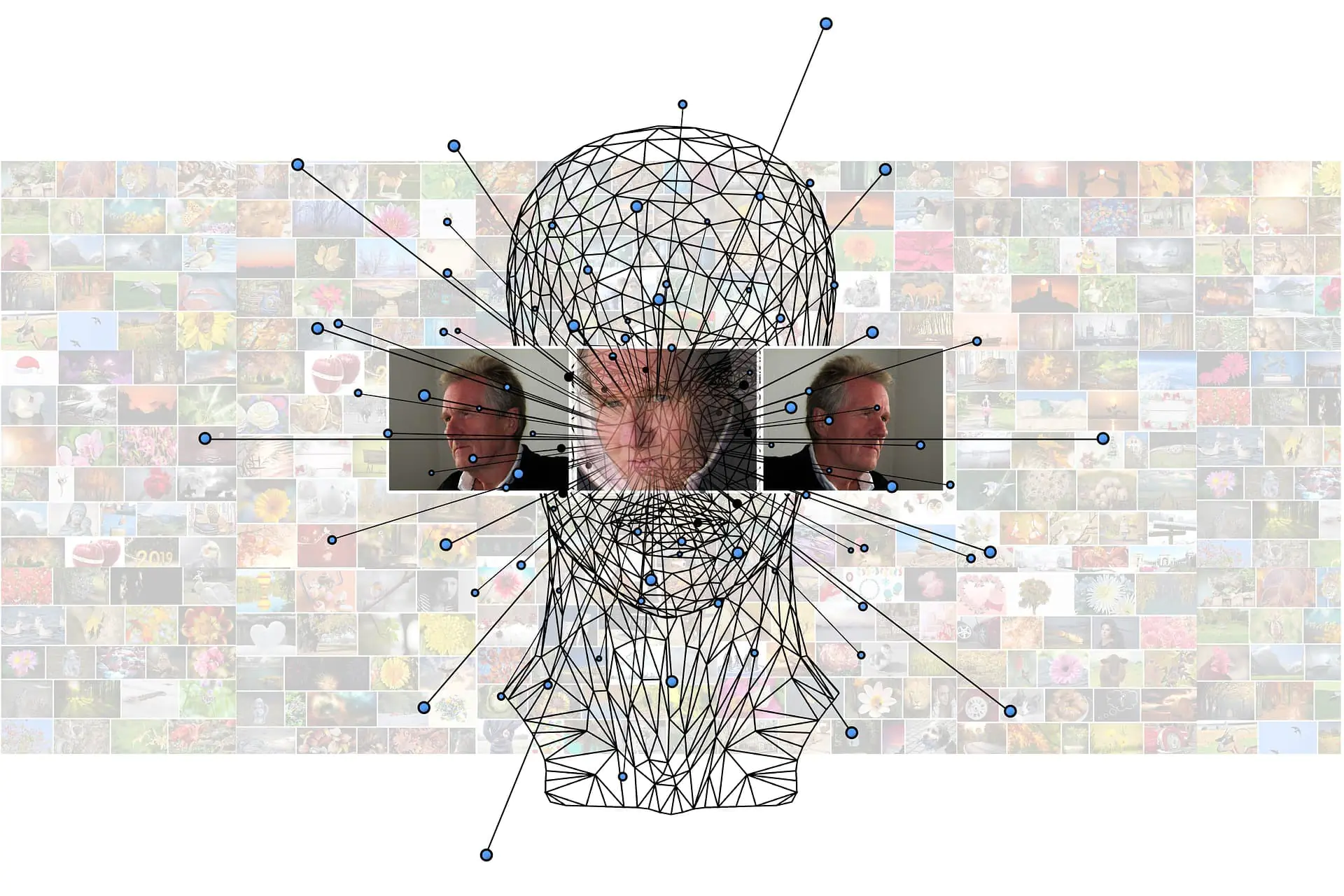
Facial recognition has now been deployed in agencies around the world but, as with many innovations, its uses have opened an ongoing debate regarding civil rights.