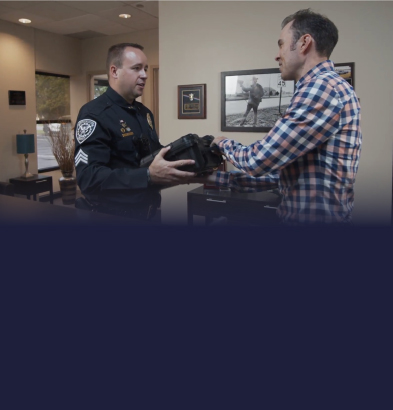

When you think of detective fiction, you will likely imagine Sir Arthur Conan Doyle’s ‘Sherlock Holmes’ or Agatha Christie’s ‘Poirot’. Although these 20th-century stories are classics, they’re also dated and there is a whole wealth of literature out there for readers who prefer something modern.

Rapidly evolving cybercrime techniques pose an increasingly critical obstacle to policing around the world. In this blog article, we identify the three most important challenges faced by law enforcement when investigating and cracking down on cybercrime.

A record-breaking 71,000 overdose deaths were recorded in 2019, and this year’s count is set to be higher. With a rise of more than 30% by the end of August, Kentucky stood out as the hardest hit state…
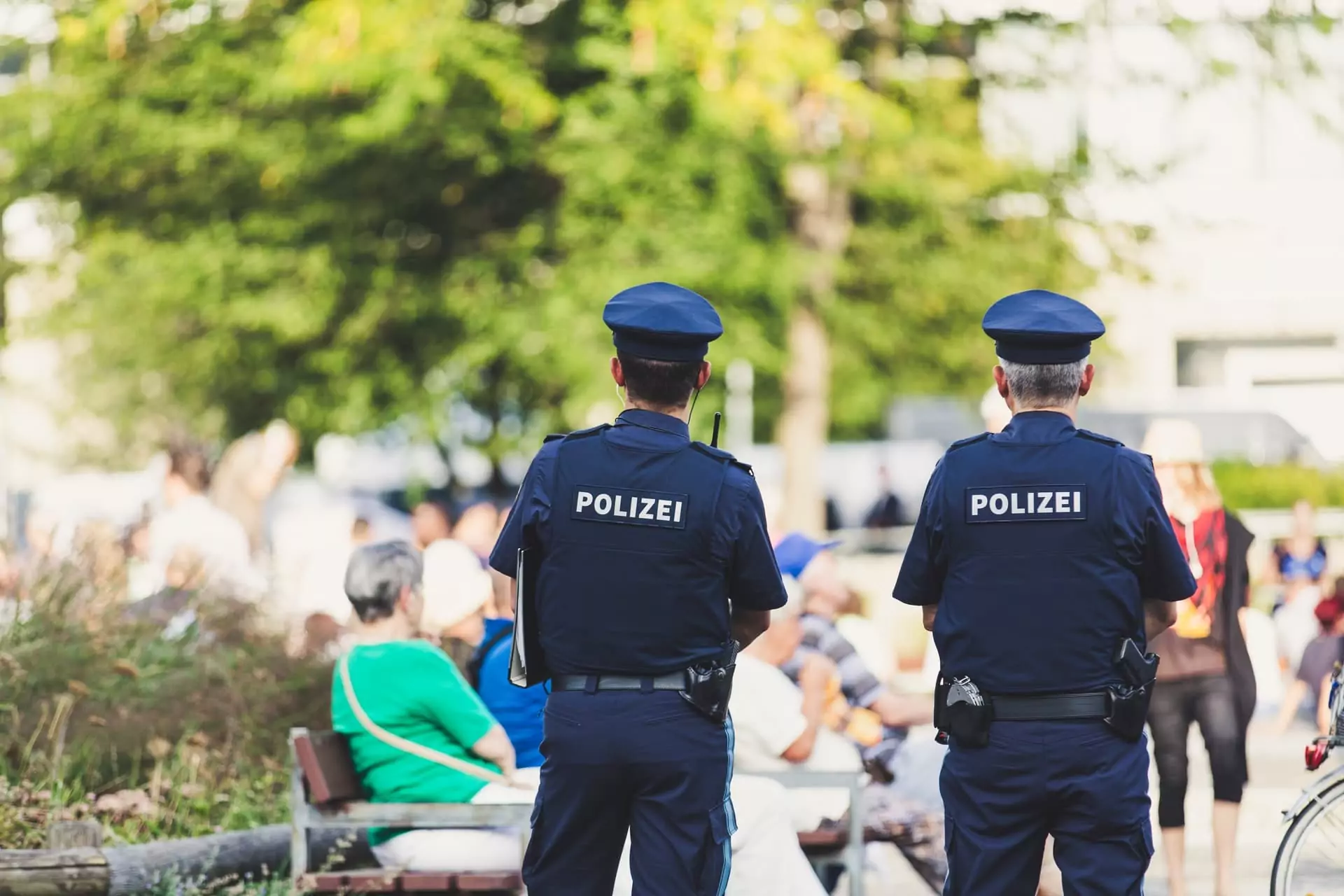
A combination of technology and innovation around the world can help US police departments in multiple ways; from ensuring personal safety, to improving relationships with the community. What can we learn from the most recent developments in policing?

Since 2018, the National Dash Cam Safety Portal has saved the UK Police over 68,000 hours of work.

Did you know that speed guns used by the police today were once developed for use in the war effort? There is quite a fascinating story behind the evolution of these clever gadgets!

After January 31st, Google will start asking law enforcement to pay for access to suspected criminals’ data. What does this mean for the future?

Almost 11 million people are held in penal institutions throughout the world, of which nearly 20% (2.12 million people) were incarcerated in the US (followed by China with 1.65 million).

The home security and smart home company, Ring Inc., is changing the face of neighborhood policing. Just 4 months ago, it was reported that Amazon’s Ring doorbell has partnered with over 400 police forces across the United States.

Domestic violence carries a high rate of repeat offenders and, even though protection from abuse orders are a common remedy, no contact provisions can be difficult to enforce because the abuser is usually intimately familiar with the routine of the survivor.