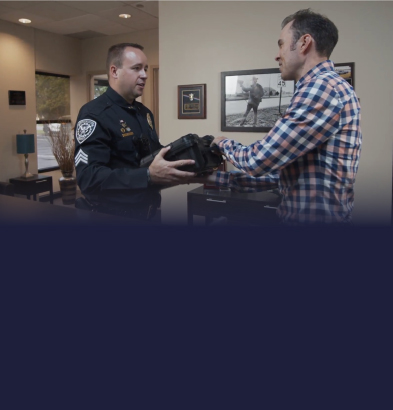

Several law enforcement agencies are now starting to believe that 5G can enhance officers’ work, so let’s look into some examples…
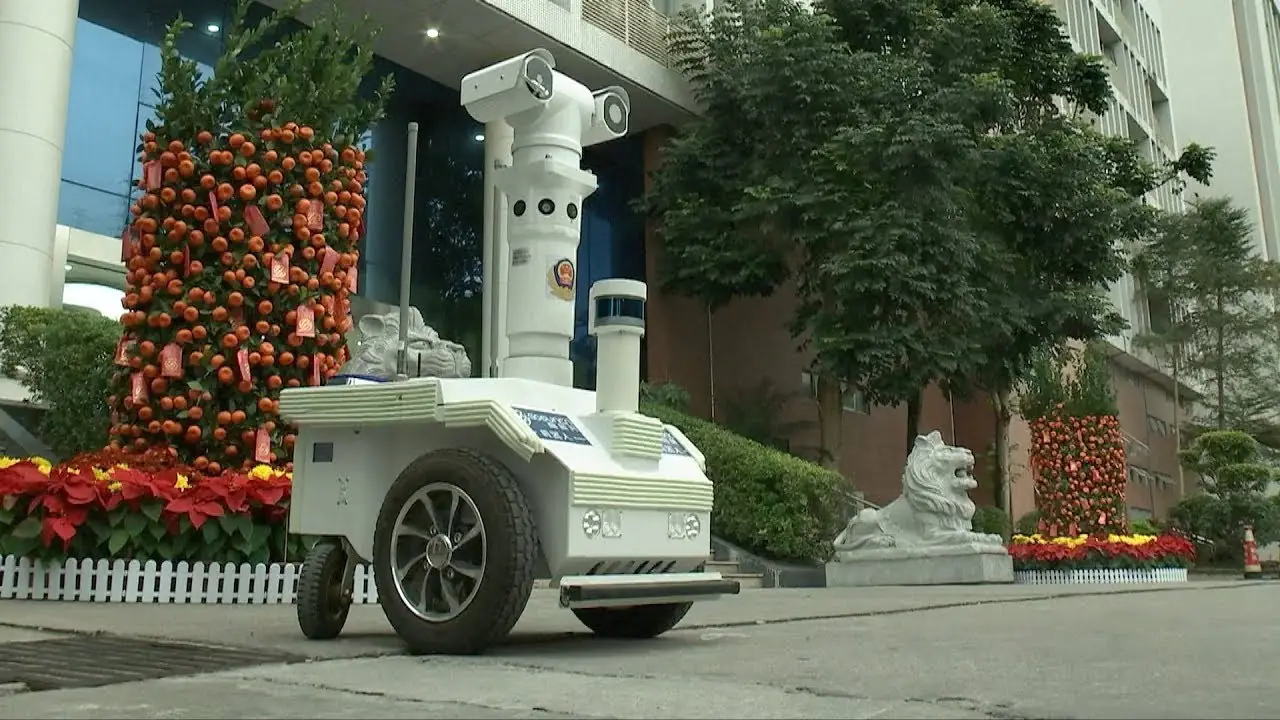
Law enforcement agencies around the globe have been deploying robots and drones to remotely enforce quarantine restrictions. Let’s look at some examples.
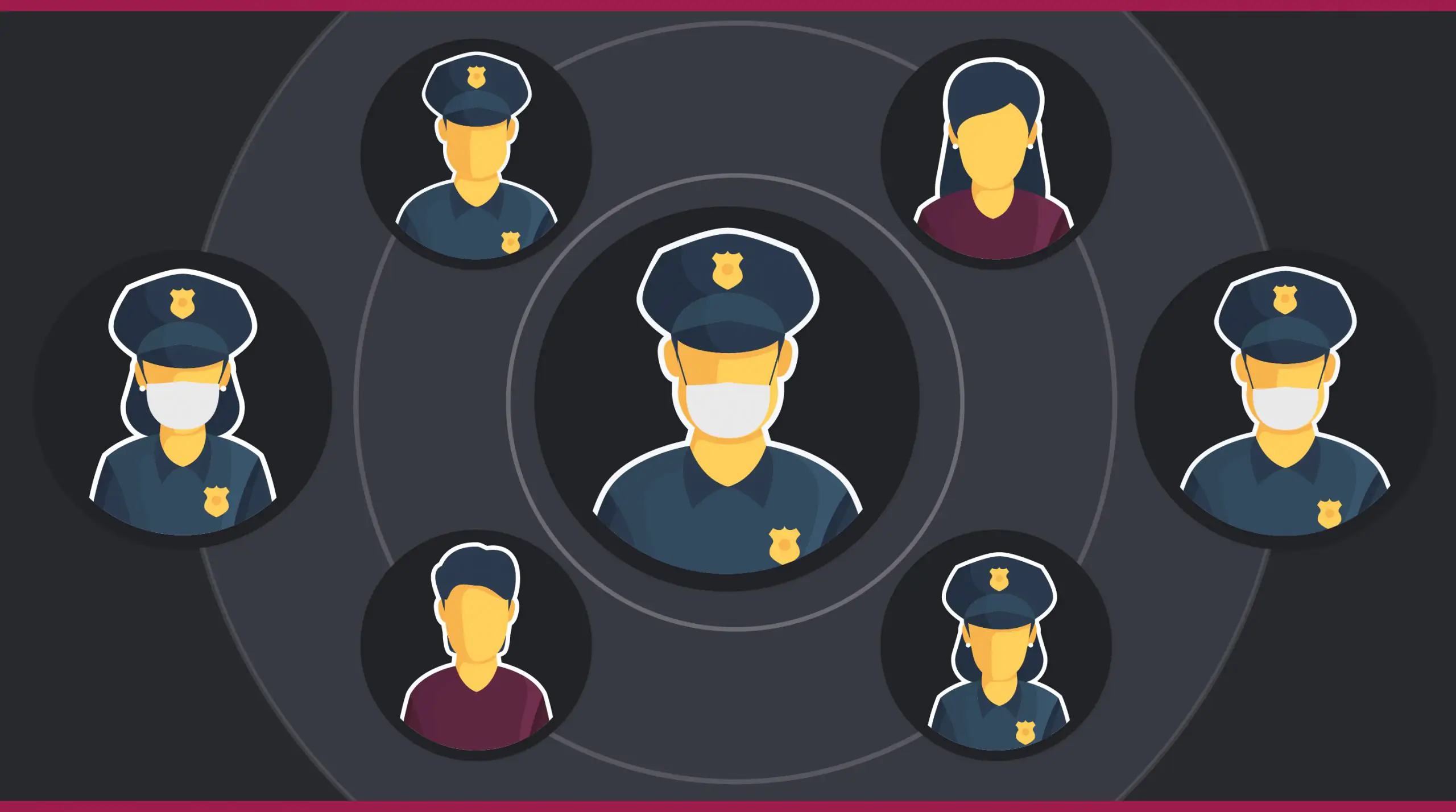
The CDC has published a few measures to help law enforcement personnel stay healthy and out of risk during the COVID-19 outbreak.
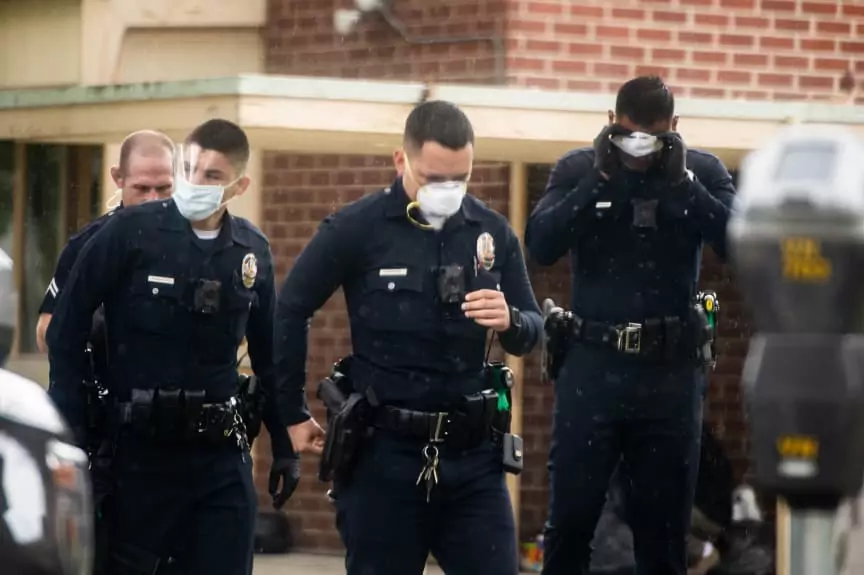
Officers across the U.S. are beginning to tailor their arrests and treatment of suspects, in an attempt to keep the individuals and themselves healthy.

While kids are stuck at home, several police departments across the country are using social media to entertain the little ones. Some officers are reading books and others are encouraging kids to create art projects. Let’s look at a few examples.

Over 4,000 people have lost their lives, thousands more are fighting for their survival in hospitals, and the virus is officially now classed as a pandemic by the World Health Organization…
Here’s how these three uses of AI have helped police departments to fight crime in cities across the world…

Social networking can be a powerful tool when it comes to rallying people for causes. That is exactly why the South African Police Service (SAPS) has partnered with Facebook to use its platform to deliver amber alert notifications when a child goes missing…

The Community Assessment Portal is a part of Toronto’s new community-based policing initiative, which uses open data to make both fighting crime and helping people a more transparent job.
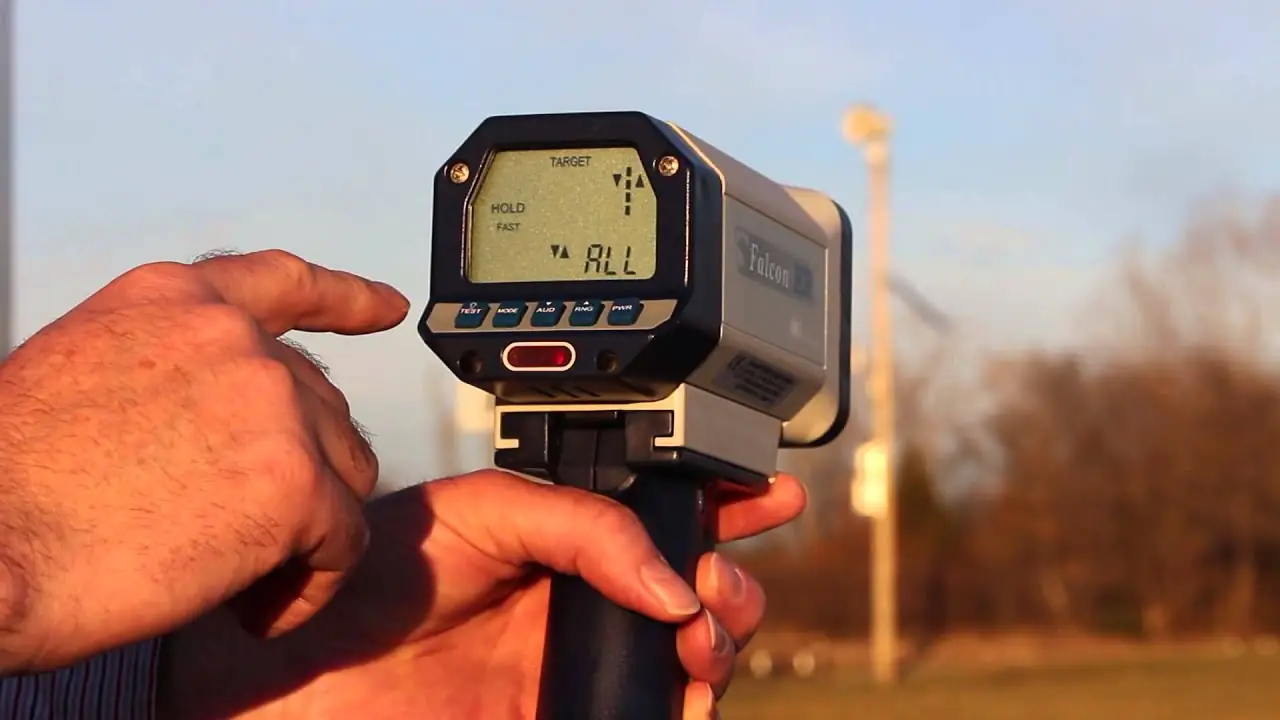
Did you know that speed guns used by the police today were once developed for use in the war effort? There is quite a fascinating story behind the evolution of these clever gadgets!