Daylight saving time (DST) begins when we add an hour to the clock in March and ends when we set the hour back in November. It is intended to allow for longer days in the warmer months and shorter days in the colder months. Each year when the time changes, there is debate over whether […]
The use of Body Worn Cameras (BWCs) by police in the USA is legislated on a state-by-state basis. For this reason, any department looking to implement a BWC program needs to know where it stands in relation to local laws. For your reference, below you will find a list of states with legislation relating to […]
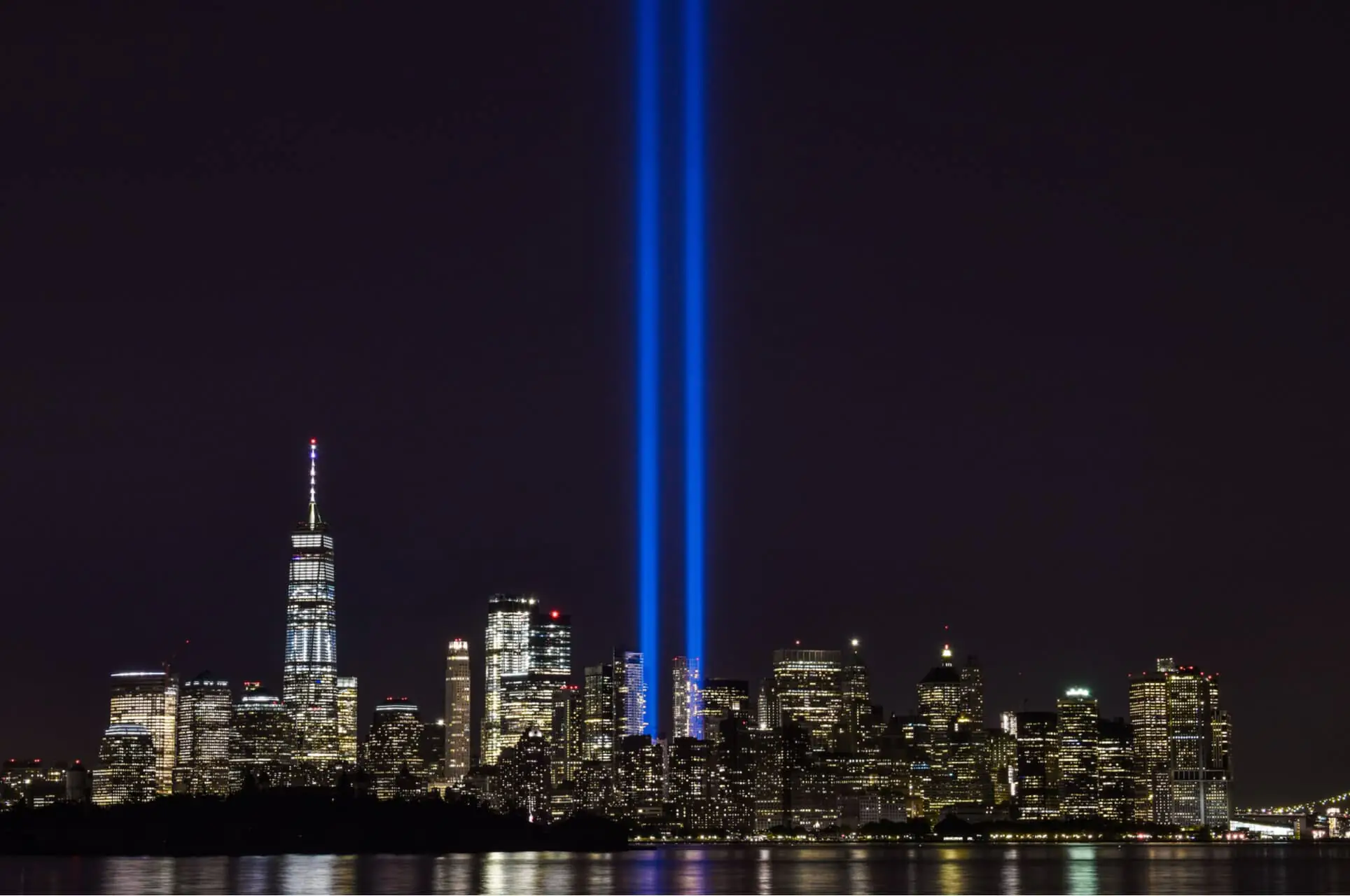
This year marks the 20th anniversary of the deadliest terrorist attack on US soil in history. September 11, 2001 will always be remembered as the darkest of days; a permanent scar on American history. But sometimes the darkness helps us to find our brightest lights. On the day of the attacks, and in the weeks […]

What does it take to be granted the Medal of Valor? Here are the stories of 5 officers and their acts of bravery that earned them this prestigious award.
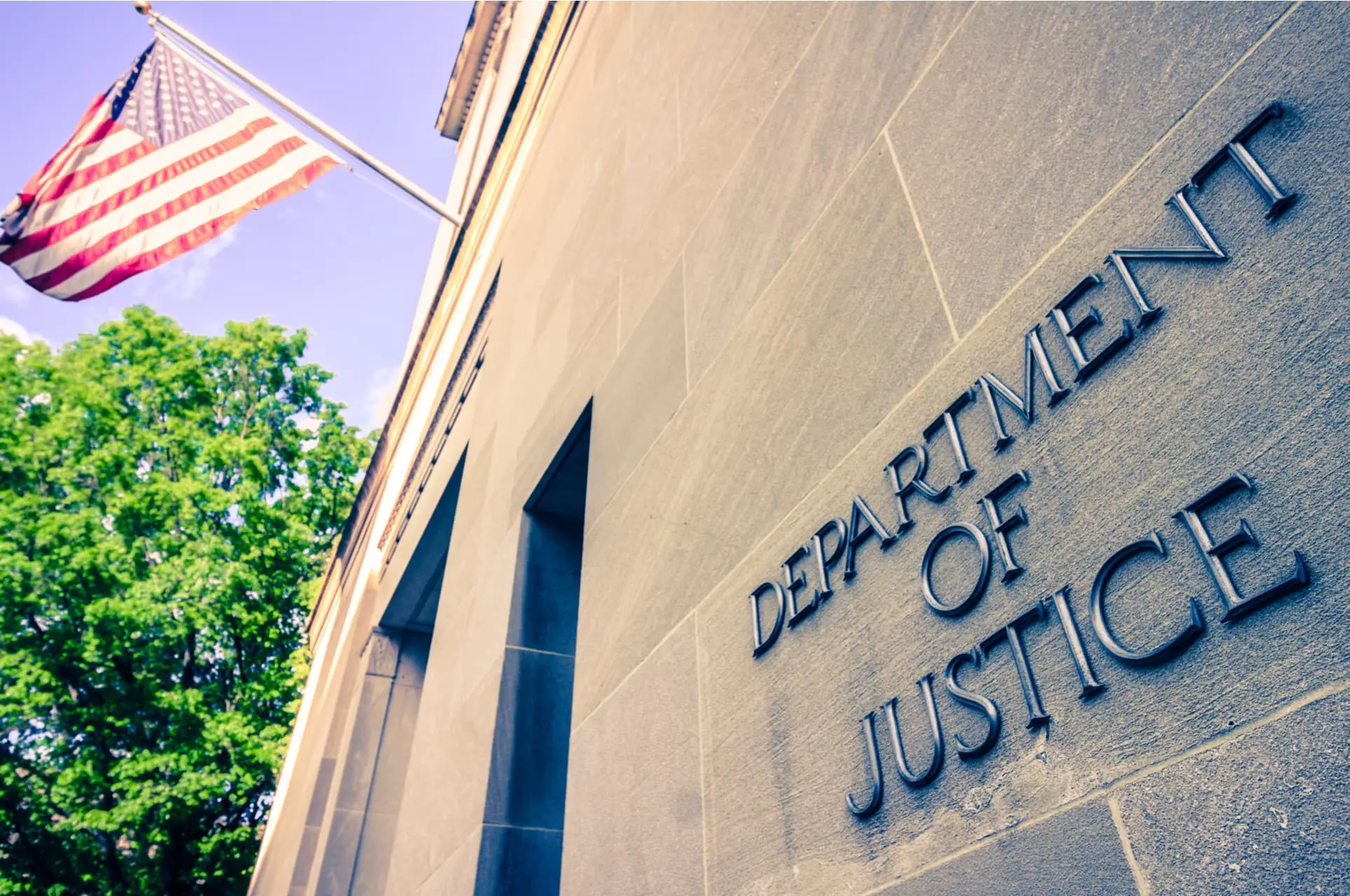
Body-worn cameras (BWCs) have been increasing in popularity over recent years, and now the Justice Department is helping precincts all over the United States purchase their own. The Bureau of Justice Assistance is to release a $7.65 million grant for smaller departments to supply their officers with BWCs.
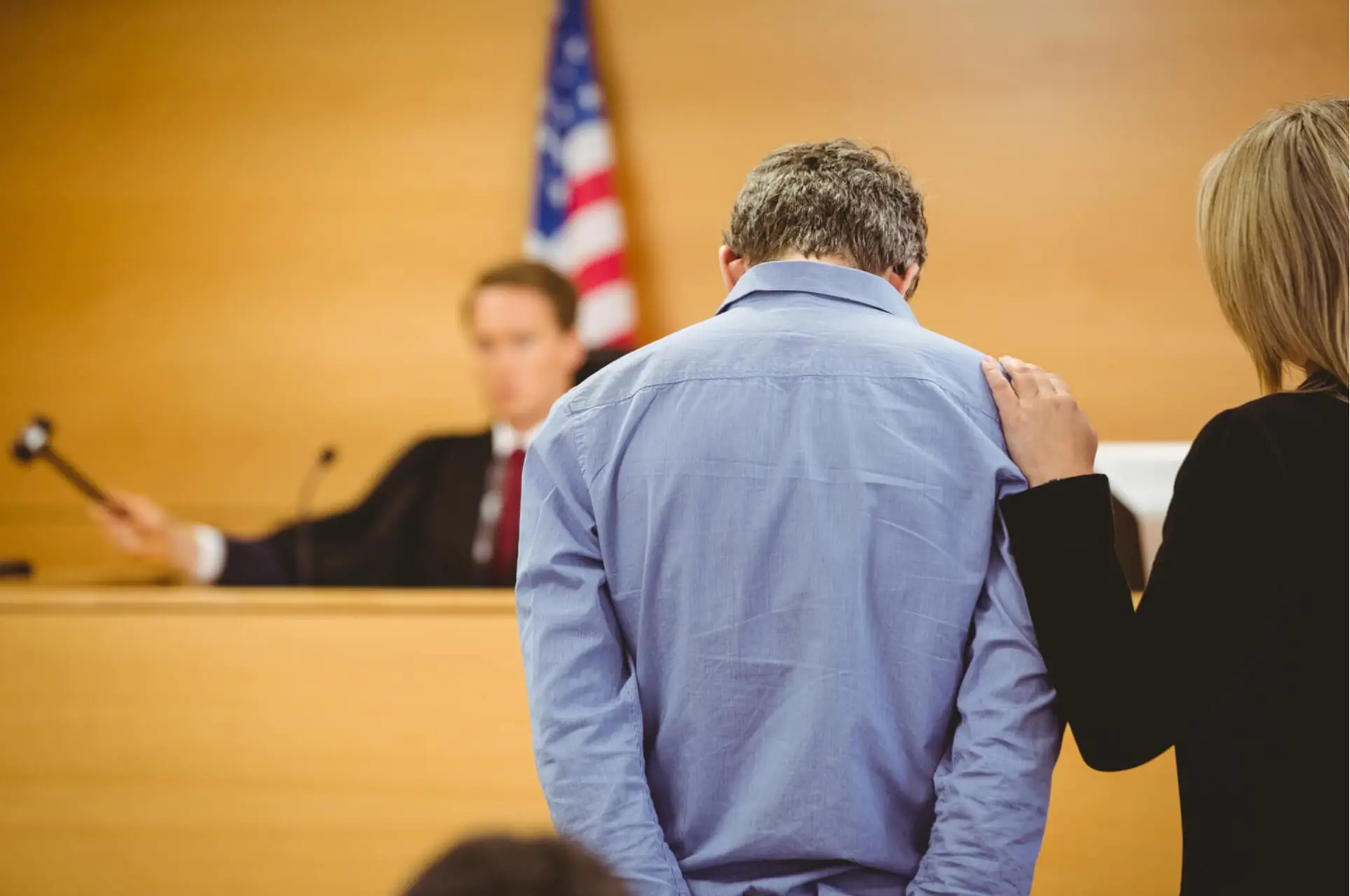
We have all heard the urban legends from across America about bizarre laws that may not be enforced, but have never been repealed. While many are little more than myths and rumors, there are a handful that are genuine laws still in effect today.
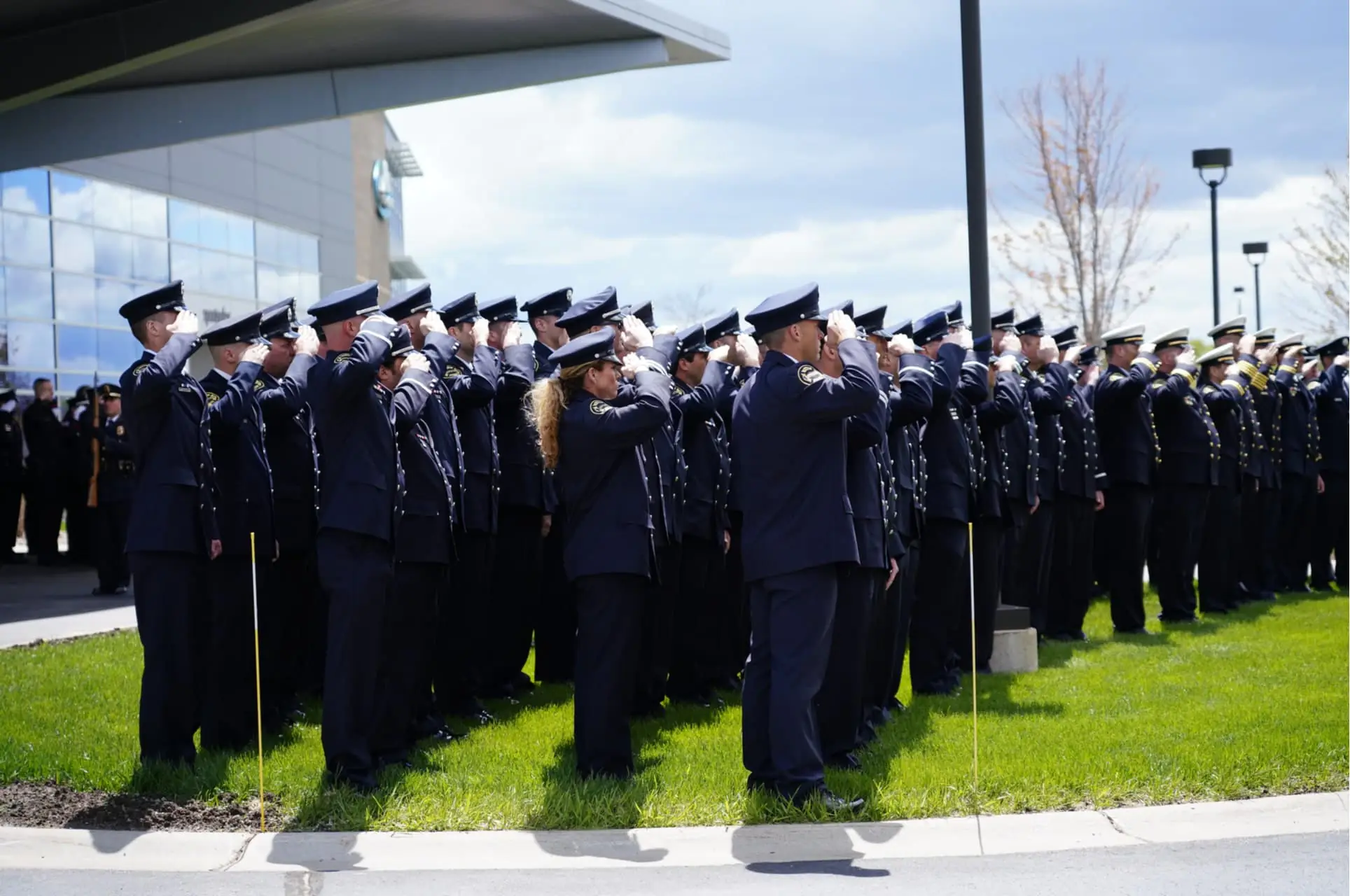
Over 20,000 officers have lost their lives since the first recorded line-of-duty death in 1791. The stress of the job can cause many officers to develop long-lasting mental health issues that affect both their professional and personal lives. This National Police Week, we remember our fallen officers and think of those who still step out onto the streets every morning.
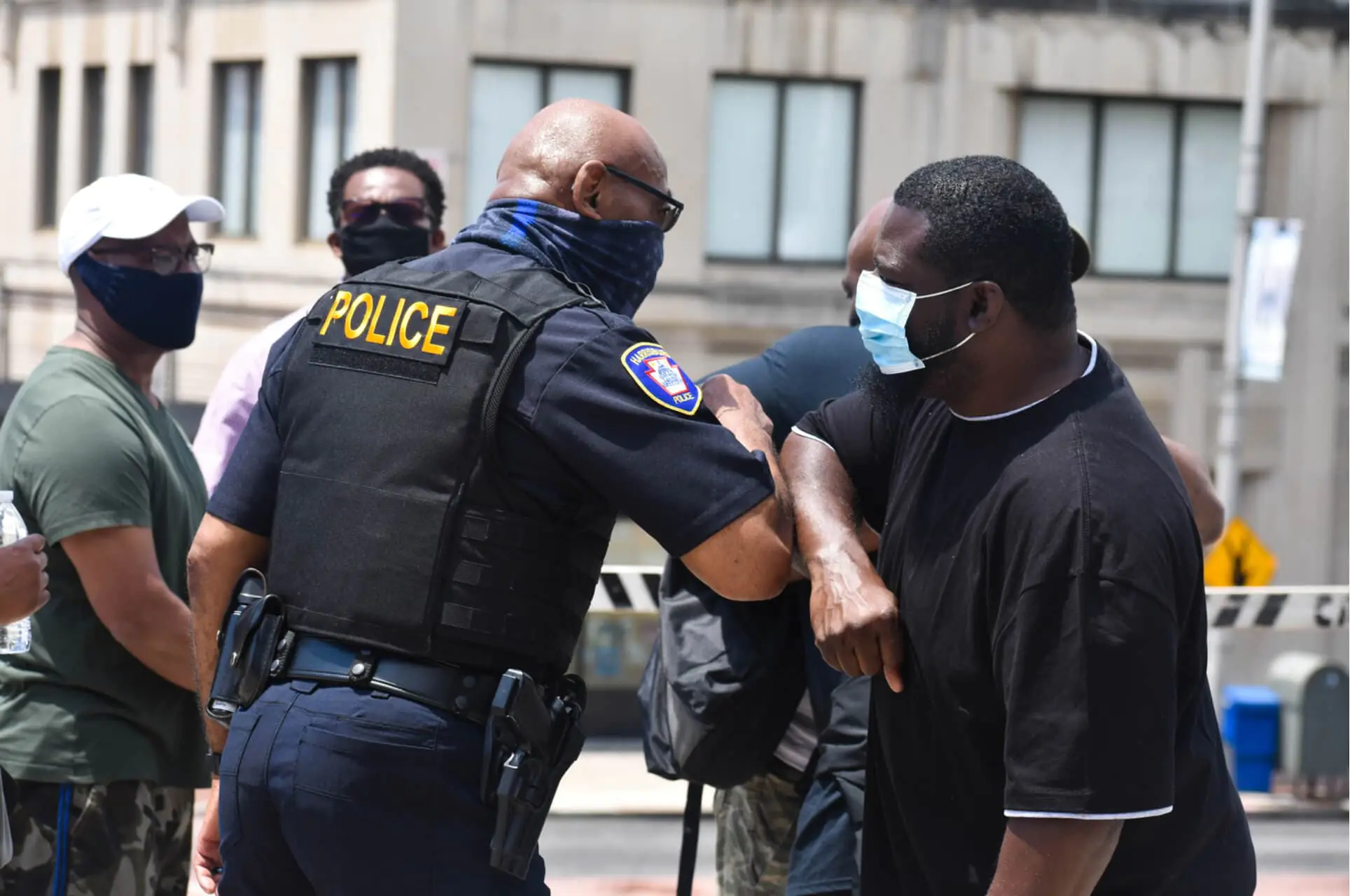
With a duty to respond to every call made to the police department, police officers often find themselves stretched thin and they may struggle to juggle their time, and every officer fears they may attend one call only to miss another that results in a life-or-death situation. This is exactly why the Fort Worth Police Department in Texas has implemented an innovative Civilian Response Unit (CRU) to alleviate the stress of police officers throughout the city.
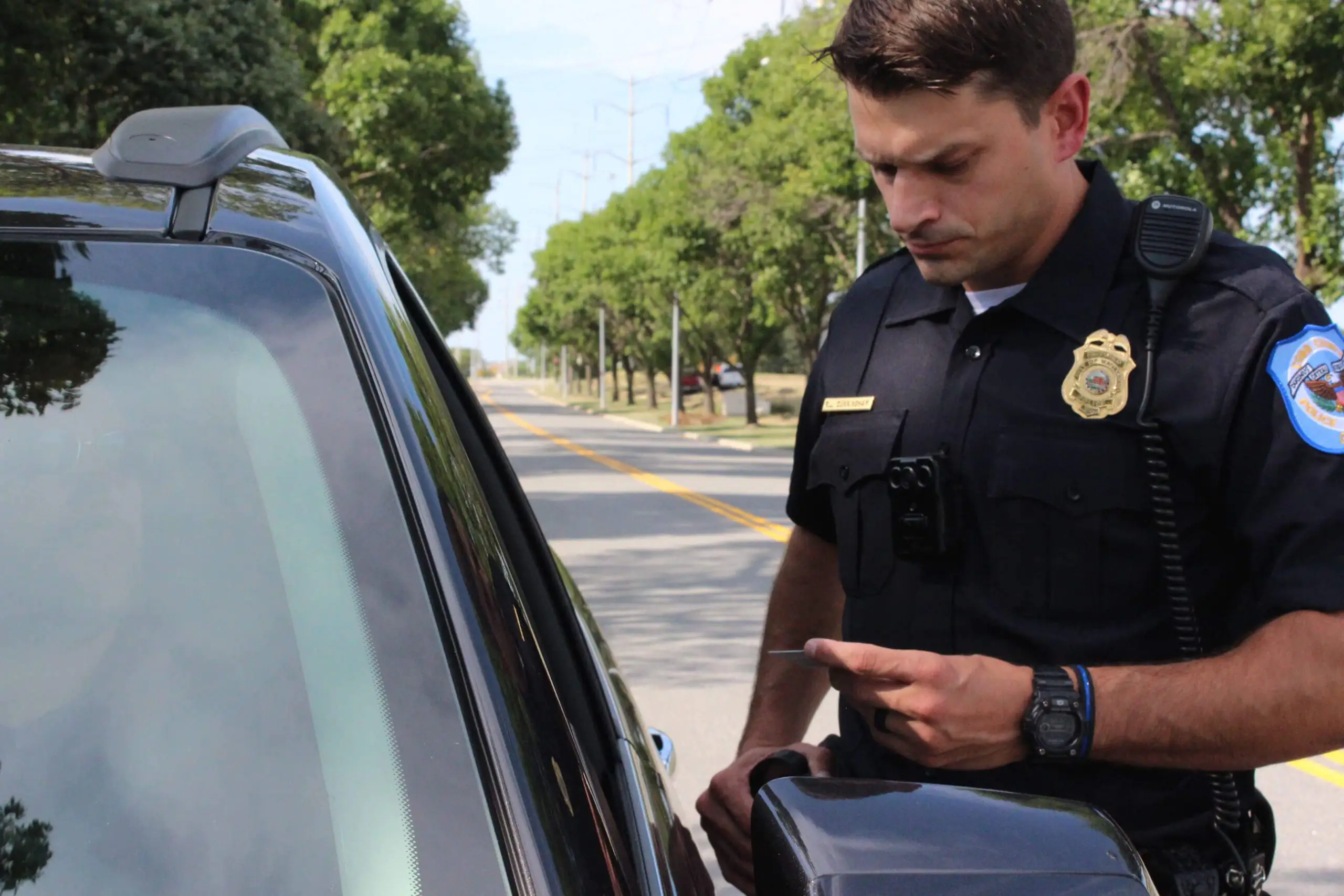
2020 proved to be a tumultuous year for law enforcement. As well as being tasked with protecting civilians throughout the course of a global pandemic, the police force was placed under a heightened level of scrutiny during a period of civil unrest. As the conversation about the role of policing in society turned into a national debate, the use of body cameras was brought into question, with many disagreeing on their effectiveness or how they should be used.
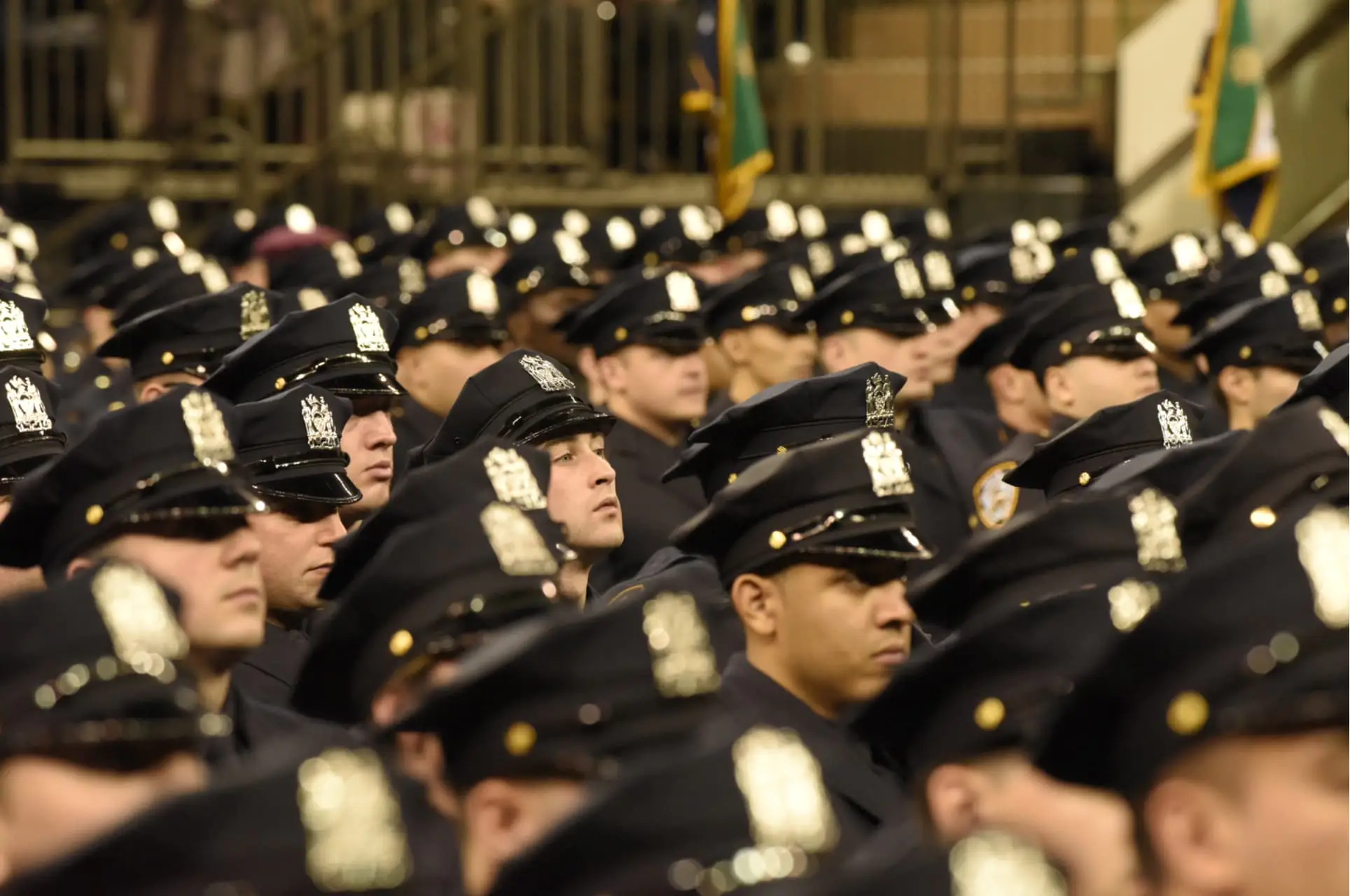
After more than six months of inactivity, the NYPD academy finally resumed courses on November 2nd, when a socially-distanced ceremony was held for the newest recruits. Wearing masks and remaining several feet apart, a total of 900 cadets took the oath to join the department and began serving their community, amid one of the most challenging periods in recent American history.