
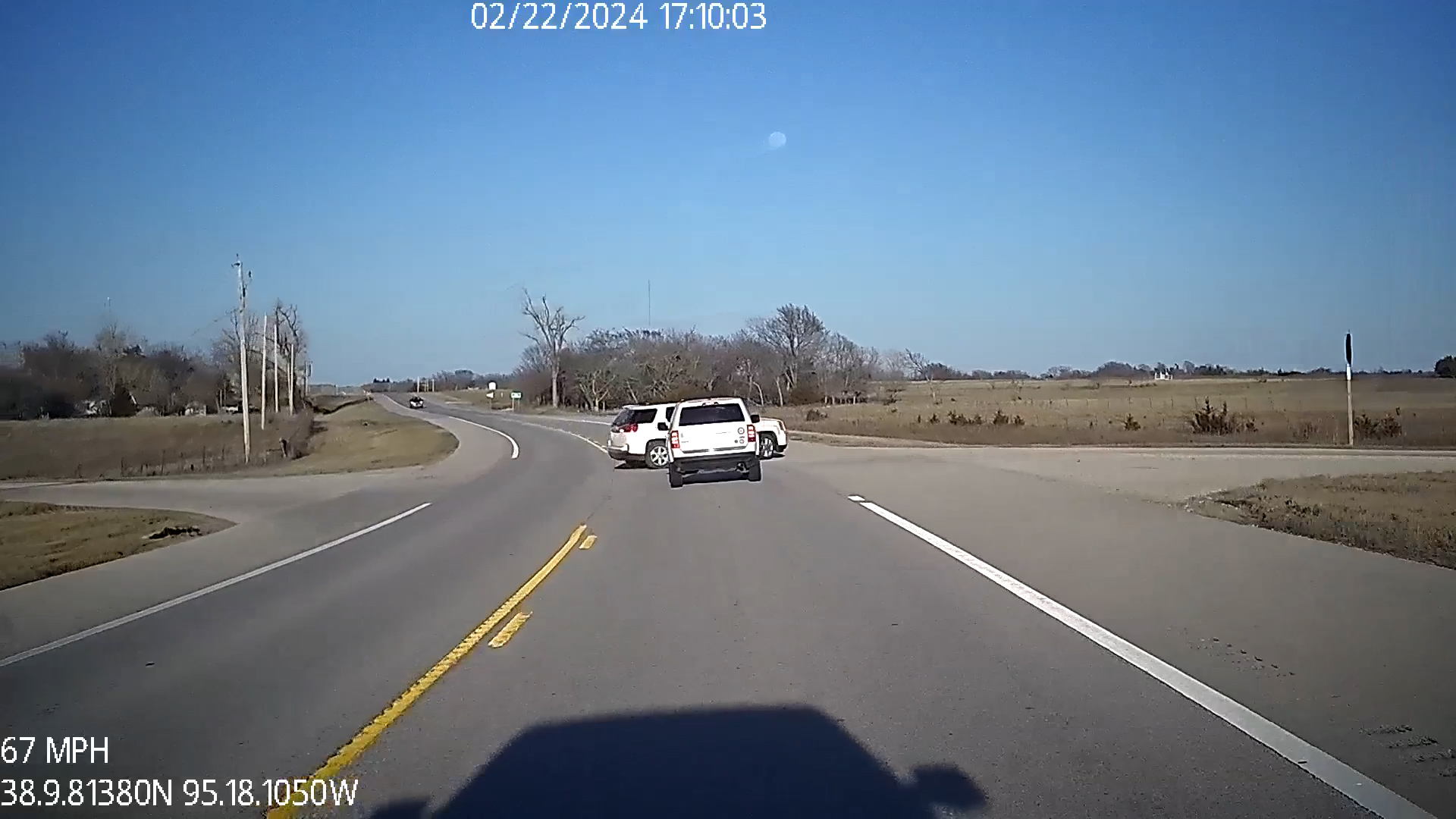
Overview Summary
- Pilot programs allow agencies to evaluate enforcement technology before committing to a full deployment.
- Structured pilots help reduce procurement risk by testing performance in real-world conditions.
- Agencies can gather valuable feedback from officers who will use the equipment daily.
- Key evaluation areas include usability, accuracy, system integration, and vendor support responsiveness.
- Clear metrics and evaluation criteria help agencies make confident go/no-go deployment decisions.
- Virtual demonstrations and guided evaluations make it easier to assess modern platforms such as Argus Body-Worn Camera (BWC), Argus in-Car Video (Argus IVC), and Argus Data Vault.
Technology decisions in law enforcement carry long-term operational consequences.
Agencies must ensure that new equipment improves officer effectiveness, integrates with existing systems, and performs reliably in demanding field environments.
For this reason, many departments use pilot programs before committing to full-scale deployment. A well-designed pilot allows agencies to evaluate new tools under real-world conditions while minimizing financial and operational risk.
By testing equipment in a controlled evaluation period, decision-makers can validate performance claims, gather officer feedback, and determine whether the technology aligns with operational needs.
Why Pilot Programs Reduce Risk
Implementing new enforcement technology across an entire agency without prior testing can create unexpected challenges. A pilot program provides an opportunity to identify potential issues early and resolve them before broader adoption.
Common benefits of pilot programs include:
- Confirming equipment performance under real patrol conditions.
- Ensuring compatibility with existing systems and workflows.
- Allowing officers to become familiar with new technology before full rollout.
- Identifying training requirements early in the process.
- Verifying vendor support, responsiveness, and technical assistance.
This evaluation period allows agencies to move forward with greater confidence that the selected solution will deliver the expected operational benefits.
Designing an Effective Pilot Program
A successful pilot program requires careful planning. Agencies should define clear objectives and evaluation criteria before the pilot begins.
Important elements of a well-structured pilot include:
Duration – Most pilot programs run between 30 and 90 days, allowing sufficient time to evaluate equipment under a range of operational conditions.
Participants – Select a representative group of officers with different roles, shifts, and experience levels.
Success Metrics – Establish measurable evaluation criteria such as system reliability, ease of use, data accuracy, and operational impact.
By defining these factors in advance, agencies can ensure the pilot generates meaningful data rather than anecdotal impressions.
Field Feedback Collection Methods
One of the most valuable outcomes of a pilot program is direct feedback from the officers using the equipment.
Effective feedback collection methods may include:
- Structured officer surveys.
- Post-shift usability feedback forms.
- Field observation by supervisors.
- Debrief meetings with participating officers.
- Incident reviews using captured data or video.
This input helps leadership understand how the technology performs during everyday patrol operations, traffic enforcement, and incident documentation.
What Agencies Should Test During a Pilot
While pilot programs can evaluate many aspects of a technology platform, several key areas should receive particular attention.
User Experience
- Is the equipment intuitive to operate?
- Does the interface reduce distraction during enforcement activity?
- Can officers quickly access key functions?
Accuracy and Performance
- Are speed measurements consistent and dependable?
- Is video evidence captured clearly and reliably?
- Does the equipment perform consistently across environmental conditions?
System Integration
- Does the technology integrate smoothly with digital evidence management systems and reporting workflows?
Vendor Support Responsiveness
- How quickly does the vendor respond to technical questions or support requests?
- Is training accessible and well-structured?
Evaluating these areas ensures agencies assess not only product capabilities but also the long-term partnership with the technology provider.
Analyzing Pilot Results and Making Deployment Decisions
At the conclusion of the pilot, agencies should conduct a structured review of the collected data and officer feedback.
Evaluation typically includes:
- Reviewing operational performance metrics.
- Analyzing officer feedback and usability reports.
- Assessing training effectiveness.
- Evaluating vendor support responsiveness.
- Determining overall cost-benefit impact.
Based on these findings, agencies can make an informed decision regarding full deployment. In many cases, the pilot may also reveal opportunities to adjust policies, training procedures, or system configuration before broader implementation.
The Role of Demonstrations and Evaluation Opportunities
Modern enforcement technologies are increasingly sophisticated, which makes hands-on demonstrations and guided evaluations an important part of the procurement process.
For example, Kustom Signals frequently supports agencies through:
- Virtual demonstrations that allow decision-makers to see equipment capabilities in real time.
- Evaluation units that allow departments to test systems during pilot programs.
- Scheduled training and demo sessions led by technical sales engineers.
- Online scheduling tools that make it easy for agencies to request demonstrations, speed training, or system walkthroughs.
These resources allow agencies to explore platforms, such as Argus Body-Worn Camera (BWC), Argus in-Car Video (Argus IVC), and Argus Data Vault systems, in a structured, informative environment before making purchasing decisions.
Best Practices for Vendor Demonstrations and Evaluations
To maximize the value of vendor demos and pilot evaluations, agencies should approach the process strategically.
Recommended best practices include:
- Involving both leadership and field officers in demonstrations.
- Preparing specific operational questions in advance.
- Testing equipment during realistic patrol scenarios.
- Evaluating data workflows and evidence management integration.
- Documenting findings throughout the evaluation period.
A thorough evaluation process ensures agencies select technology that will support officer safety, operational efficiency, and long-term program success.
Kustom Signals Helps Agencies with Pilot Programs
Pilot programs provide agencies with a practical and low-risk way to evaluate new law enforcement technologies before full deployment. By testing equipment in real-world conditions, gathering officer feedback, and measuring operational performance, departments can make informed decisions that support both officers and the communities they serve.
Kustom Signals works closely with agencies during evaluation and pilot programs, providing demonstrations, training resources, and technical guidance to support informed procurement decisions.If your agency is considering new speed enforcement or video technology, contact Kustom Signals to schedule a demonstration or discuss evaluation options with a member of the team.